Back
 Network of 700+ movers
 200,000 moves annually


3 ratings as "Good Price"
Moving House

Moving Abroad
Container Shipping
Services
Find a Mover


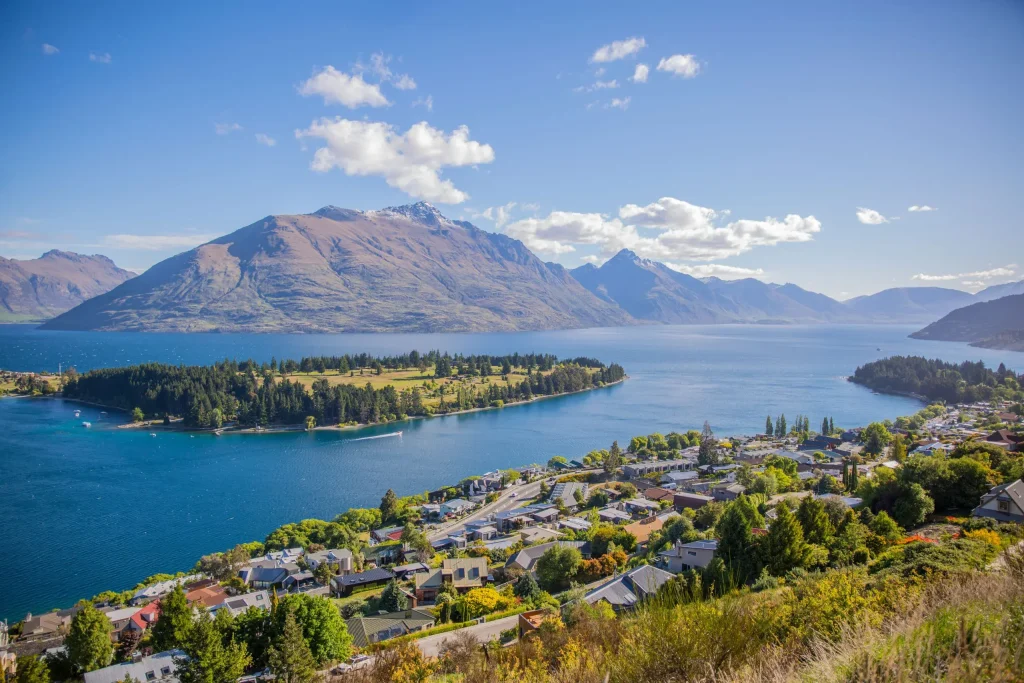
Dreaming of a fresh start in New Zealand? From breathtaking landscapes to a more relaxed way of life, there’s plenty to look forward to! But before you can settle into your new home, there’s a big move to organise. This guide walks you through everything you need to know about moving to New Zealand from the UK, including average removal costs, the best international removal companies, visa requirements, and a practical moving checklist. Ready to take the first step? Compare up to 5 free quotes from vetted moving companies and start planning your new adventure in Aotearoa!
The cost of international removals from the UK to New Zealand is one of the first things most people want to know. As a starting point, an average 3-bedroom house removal typically ranges between £7,000 and £9,400.
That figure is only an estimate. Several factors affect the final cost of removals to New Zealand, so it’s worth understanding the variables that affect the cost of moving overseas.
One factor you can control is volume, which you can calculate with our volume calculator. Decluttering before you move can make a real difference to the final price. The table below shows how volume affects the cost of removals to New Zealand from the UK by sea, based on average household sizes.
| Household Size | Time | Cost |
| 1 bedroom apartment | 9 – 12 weeks | £2,900 – £4,000 |
| 2 bedroom house | 6 – 9 weeks | £3,900 – £5,300 |
| 3 bedroom house | 6 – 9 weeks | £7,000 – £9,400 |
| 4 bedroom house | 6 – 9 weeks | £7,400 – £10,000 |
| 5 bedroom house | 6 – 9 weeks | £10,600 – £14,200 |
Disclaimer: The rates shown above are just estimates. Costs will vary depending on your exact point of departure and the service rates of the company.
If speed matters more than cost, air freight is also an option. It only takes 8-10 days but significantly increases the cost of container shipping, so it tends to suit smaller moves, such as a 1-bedroom flat.
Moving a household to the other side of the world isn’t a job to hand to just anyone. The companies below are among the UK’s most established names for removals to New Zealand, each experienced in long-haul sea freight, customs paperwork and the practicalities of getting your belongings into the country safely. Price, transit time and what’s actually included in the quote vary between them, so it’s worth comparing more than one before you commit. If you’re heading specifically to Auckland, our guide to moving to Auckland covers costs and practicalities specific to the city.
Searching the internet for removal companies one by one is slow and makes it easy to miss the better options. Fill in the form below and we’ll find up to 5 companies that can help with your removal to New Zealand, so you can compare them side by side.
There’s still plenty to organise, but working through this checklist will get you a long way toward a smooth move to New Zealand.
Before your removal to New Zealand from the UK, you’ll need to prepare all the necessary documents, otherwise, you could run into some difficulties:
You’ll need some of these for the visa application process, but also for tasks like finding a house or opening a bank. Once everything is organised, consider duplicating them and keeping them in a safe and accessible place for them.
Let’s be honest: international removals from the UK to New Zealand are no small feat. Therefore, it’s essential that you find a removal company and a good one at that. If you are not sure of the best way to go about doing this, start with our list of top international removal services. Or just cut to the chase and request free moving quotes to start comparison shopping now!
The golden rule of packing is to start as early as possible, ideally at least a month before your move. Decluttering as you go makes the process easier and can reduce your shipping costs. If you’re feeling overwhelmed, take a look at our expert packing tips.
There are also two things worth doing specifically for your removal to New Zealand from the UK:
While packing, create an inventory of all the items that you’ll be shipping to New Zealand, as it’s necessary for customs. Otherwise, your items could face a prolonged clearance period, adding to an already lengthy removal.
Clean everything as thoroughly as possible. New Zealand has a unique ecosystem and strict biosecurity rules to protect it, so any outdoor equipment (such as shoes, shovels and gazebos) must be completely free of dirt, and indoor items need to be free of dust.
Unless you want your new life to be taxed in the UK, you must inform HMRC when you move abroad.
New Zealand has one of the highest car ownership rates in the world, so it’s no surprise if you want to bring your own car when moving from the UK.
Importing your car to New Zealand is possible, provided you have the budget for it. Transporting a car typically costs around £1,500-£2,000, plus an additional £400 to clear customs. Alternatively, you could sell your car in the UK and buy one locally, since New Zealand has a large second-hand car market.
If you’re moving to New Zealand with a dog or a cat, you can either have the pet on the same journey as you or find an airline that specializes in moving pets. However, your pet needs to meet certain requirements. The most common way to transport your pet is via air transport. Therefore, be sure to consider the following list of costs and requirements before your pet boards the plane:
Got an exotic pet, or even a hamster or rabbit? We will get the bad news out of the way first – unfortunately, apart from cats and dogs, it is forbidden to import a pet to New Zealand. Therefore, it might be a good idea to rehome your pets with a new loving family, we understand it is hard to let a member of the family go.
For more information on this, visit the New Zealand government’s pet import policy.
One of the first steps when moving to New Zealand is registering for an IRD number, which you’ll need both to work and for tax purposes. Read more on the New Zealand government’s guide to setting up your life there.
Healthcare in New Zealand is often free or heavily subsidised. Under a reciprocal agreement, UK citizens, even those on temporary visas, have access to free urgent medical care.
That said, around 35% of New Zealanders opt for private health insurance to cover non-urgent treatment, which is worth considering too. See our page on healthcare in New Zealand for more detail.
From 1 November 2026, you can drive in New Zealand on your UK driving licence for 12 months from the date you last arrived, down from the 18-month allowance that applied before this date. Your UK licence needs to stay current and valid for the whole period, and if it isn’t in English you’ll also need an International Driving Permit or a certified translation.
Once the 12 months are up, you’ll need to convert to a New Zealand driver licence through an approved driver licensing agent, which involves theory and practical tests. Booking a test can take a while, so it’s worth starting the process before your 12 months run out. See NZTA’s guidance on driving on an overseas licence for the full requirements.
Opening a local bank account is an important step in settling into New Zealand. Using your UK account day to day is impractical, and conversion fees will add up quickly. Consider opening an account with one of the following banks:
Working through this checklist will put you well on your way to a smooth move to New Zealand from the UK. For an even more detailed breakdown, see our moving abroad checklist.
Moving your belongings is only part of the process. You’ll also need to organise your life once you arrive, from housing to healthcare to getting to know the culture. Once you’re settled, you can start enjoying Aotearoa’s natural beauty and way of life.
As New Zealand was colonised by the British, there are several cultural similarities to the UK, though also some fundamental differences. Work-life balance looks different in New Zealand: Kiwis tend to prioritise spending time outdoors and pursuing hobbies and interests, reflecting a ‘work to live’ attitude rather than the ‘live to work’ culture more common in UK cities.

The country also has a strong Māori influence, since Māori are the indigenous people of New Zealand. It’s common for children to be taught the haka (a traditional dance) in schools, as well as at formal ceremonies, particularly in the public sector.
New Zealand is home to some of the world’s most stunning scenery, from Milford Sound to the dramatic landscapes used as the backdrop for Middle-earth. The country also ranks among the top 10 globally for quality of life, and is often described as the extreme sports capital of the world.
Food is also distinctive in New Zealand. As an island nation, seafood is abundant, alongside European-influenced dishes such as roast lamb. Māori cuisine has also shaped the food culture, including the traditional hāngī: meat and vegetables wrapped and cooked in an earth oven, a pit in the ground covered with soil.
When choosing where to live in New Zealand, the main decision is whether to settle in the city, the suburbs or further out of town. The city suits those working centrally or wanting an active nightlife, the suburbs are more family-friendly, and areas further out offer easier access to nature.
Buying a house in New Zealand is relatively straightforward and can take as little as 3 to 4 weeks. Most sales go through real estate agents, though private sales are possible too. Renting isn’t much more complicated than in the UK, and asking prices can usually be negotiated.
The median price of a 3 to 4-bedroom house nationwide tends to be significantly cheaper, by around 20%, than in major cities such as Auckland.
The cost of living in New Zealand is generally higher than in the UK. Several of New Zealand’s major cities rank higher on cost-of-living indexes than London, and wages tend to be higher to reflect this. Public transport in Auckland, for example, ranks among the most expensive in Oceania and globally, and utility prices are similarly high. Groceries tend to be slightly more expensive than in Britain, which adds up over time.
If you’re moving to New Zealand purely for leisure or travel, you can skip this section. For everyone else, finding work is usually a priority.
Work culture in New Zealand is generally considered pleasant and friendly. While there’s an expectation to work hard, this is balanced with an emphasis on spending quality time with friends and family outside of work.
That said, finding employment in New Zealand isn’t always straightforward. The following online portals are a good place to start:
The New Zealand government also offers advice for finding a job, including guidance on adapting your CV and interview approach to the local market.
Your ability to work will depend on the exact terms of your visa, so it’s worth checking this carefully before you commit to a role.
New Zealand is generally ranked worldwide as one of the countries with high-quality education. Expats and people moving to New Zealand can, therefore, be confident that their children will receive a high-quality education there.
There are 3 types of schools in New Zealand state-run, state-integrated and private schools. State-integrated schools are schools that used to be private and have become part of the state education system. They are funded by the government and teach the national curriculum. However, you will pay compulsory attendance dues. Private schools get some government funding but are mostly funded through school fees charged to parents or guardians. They develop their learning programmes and do not have to follow the national curriculum. New Zealand has a vast majority of quality primary and secondary schools that are state-run and free.
State-run schools are free for citizens and permanent residents of New Zealand however, parents or guardians are still expected to meet some minor costs. The table below illustrates the state-run educational system of New Zealand.

Children can start primary school on the day they turn 5 years old. They do not have to wait until the start of a new school year. Expats and people moving to New Zealand have to keep in mind that the area they choose to live in has a big influence on the school their children will attend. Many schools in New Zealand have an enrolment scheme called zoning. Zoning entails that if you live in the school’s zone or area, your child is guaranteed to get a place at that school. If you want your child to go to a school outside the area where you live, you may have to apply to the school in question. A place is not guaranteed at a school that is not in your zone. Furthermore, your child will attend either a single-sex or co-educational school depending on the area where you live.
You’ve now got the full picture: what a move from the UK to New Zealand costs, which international removal companies cover the route, and what to sort out before and after you land. None of it is a small undertaking, but thousands of people make this move every year, and a bit of planning goes a long way.
The next step is finding out what your own move would actually cost.
Good luck with the move, and welcome to Aotearoa.

Our mission is to be your go-to moving platform for you and your loved ones. With our years of expertise and extensive network of movers, we’re here to make your moving process as stress-free as possible.